This Mother’s Day, Let’s Talk About the Invisible Load Moms Carry
Nobody sees the planning, the tracking, the remembering, and the second-guessing. This Mother's Day, a look at what carrying all of it actually costs.
Mother’s Day is usually filled with flowers, cards, brunch reservations, family photos, and sweet messages of appreciation.
All of that matters.
But there is another part of motherhood that deserves to be seen too: the invisible load moms carry every day.
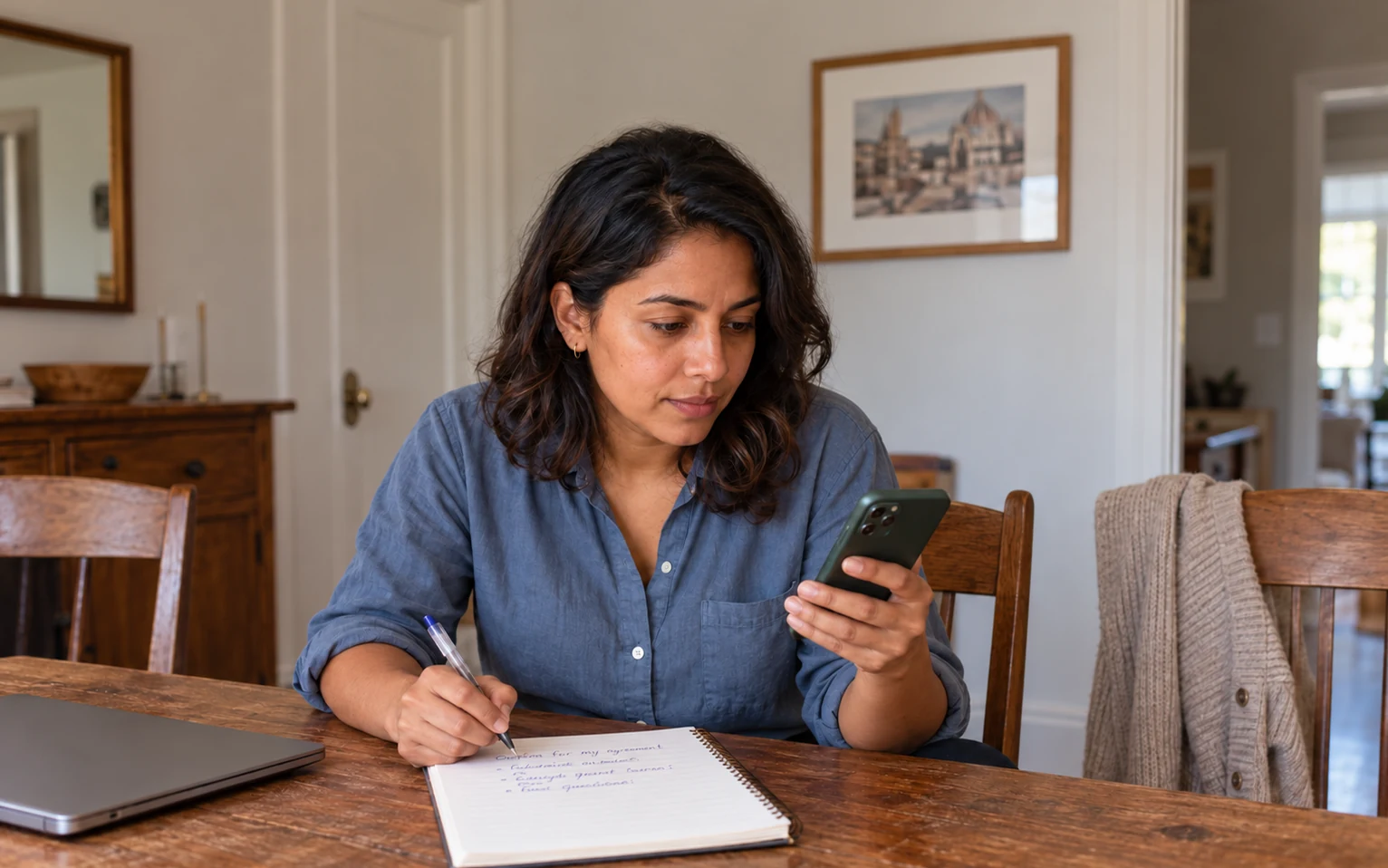
It is the remembering. The researching. The planning. The tracking. The comparing. The quiet worrying. The tabs open in her browser and in her mind.
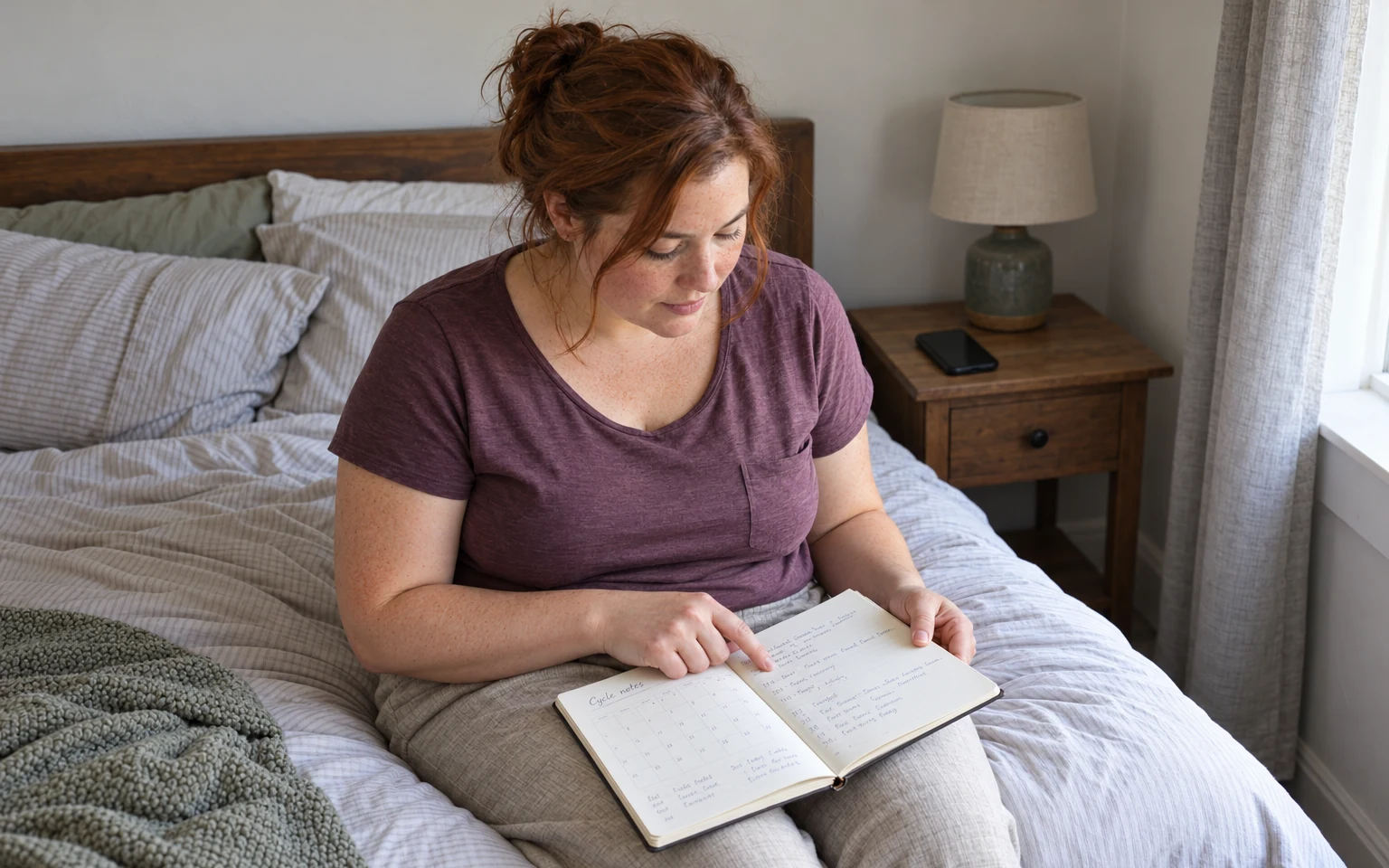
It starts before pregnancy for many women, with cycle tracking, ovulation timing, fertility questions, supplement research, appointment scheduling, and the emotional weight of trying to conceive.
It continues during pregnancy, with food safety questions, symptom checks, prenatal visits, registry decisions, birth planning, work planning, and the constant pressure to make the right choice.
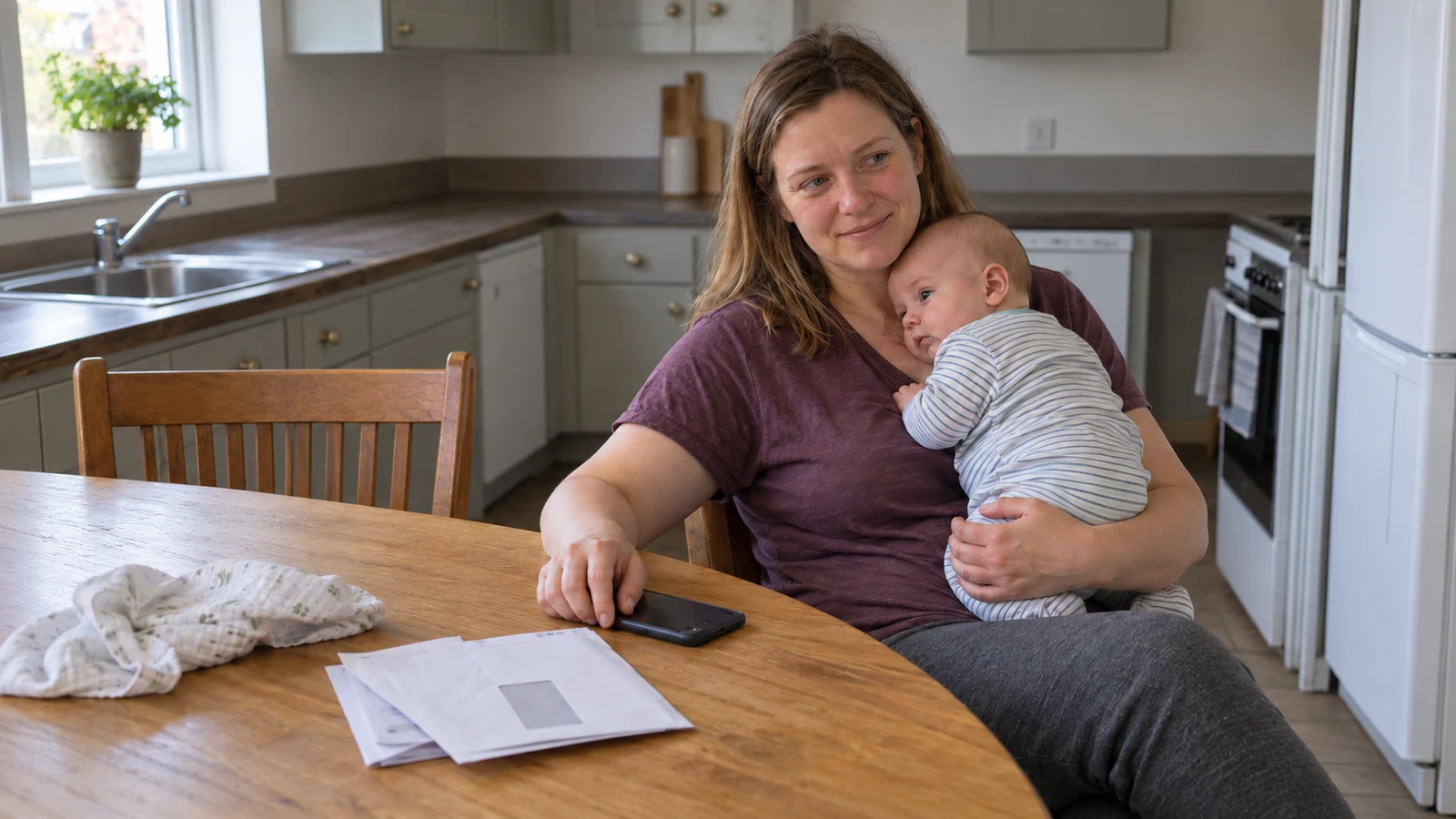
And it carries into postpartum and early parenthood, where sleep, feeding, recovery, diapers, pumping, baby development, appointments, and work re-entry all compete for mental space.
Motherhood is full of love. It is also full of logistics.
And too often, moms are expected to manage both without dropping anything.
What We Mean by the Invisible Load
The invisible load of motherhood is not one task. It is the mental work behind all the tasks.
It is not just buying diapers. It is knowing when they are running low.
It is not just scheduling a pediatrician visit. It is remembering the question you wanted to ask, tracking the symptom, finding the insurance card, adding the appointment to the calendar, and adjusting work around it.
It is not just packing a bag. It is knowing what the baby might need, what you might need, what could go wrong, and what has to be ready just in case.
This mental load is easy to miss because so much of it happens quietly.
There is no obvious receipt for it. No calendar invite that says “spent 45 minutes comparing bottle warmers.” No badge for researching whether a pregnancy symptom is normal at 11:30 pm. No thank-you note for remembering everyone’s needs before they are spoken out loud.
But the load is real.
And for modern moms, it often starts earlier and lasts longer than people realize.
The Load Starts Before the Baby Arrives
Many people think motherhood begins at birth.
For many women, it begins much earlier.
It begins with trying to understand your body. Tracking cycles. Reading about fertility. Wondering if a symptom means something. Trying not to overthink. Trying not to miss the fertile window. Trying to balance hope with self-protection.
For women trying to conceive, the mental load can be especially isolating because so much of it happens privately. She may be taking meetings, answering emails, leading teams, and managing deadlines while also quietly tracking ovulation, calculating dates, and wondering if this month will be different.
Then pregnancy adds a new layer.
There are appointments to attend, questions to remember, tests to understand, foods to check, products to compare, symptoms to monitor, and decisions to make. Some are small. Some feel enormous. Most happen while life and work keep moving.
By the time a baby arrives, many moms have already been carrying the invisible load for months or years.
Mother’s Day should make room for that truth too.
Modern Motherhood Has Too Many Tabs Open
Today’s moms have more access to information than ever.
That can be helpful. It can also be overwhelming.
One question can turn into ten browser tabs. One symptom can lead to a search spiral. One product decision can turn into hours of reviews, conflicting advice, and second-guessing.
Should I call the doctor?
Is this safe during pregnancy?
What should I pack for the hospital?
How often should my baby feed?
Is this postpartum symptom normal?
Which tracker should I use?
Which app has the right answer?
Which source do I trust?
The problem is not that moms lack information.
The problem is that information is scattered, inconsistent, and often hard to trust.
When every answer lives in a different app, article, note, forum, text thread, or appointment summary, moms end up becoming the system that holds everything together.
That is a lot to ask of someone who is already carrying so much.
Why This Feels Different for Today’s Moms
Motherhood has always involved care, sacrifice, and responsibility.
But modern motherhood has its own pressure.
Many women are becoming moms while already carrying demanding careers, financial responsibilities, caregiving duties, fertility decisions, health research, and the expectation to stay informed about everything.
There is also a new kind of pressure that comes from having unlimited information available at all times.
Every question feels searchable. Every decision feels researchable. Every choice has a review, a warning, a thread, a comparison chart, or a recommendation from someone who sounds certain.
That can make moms feel like they should know more, do more, and prepare better.
But more information does not always create more confidence.
Sometimes it creates more tabs, more second-guessing, and more pressure to make the perfect decision.
For today’s moms, support needs to be more than encouragement. It needs to help simplify the noise.
The Emotional Cost of Constant Decision-Making
The invisible load is not only logistical. It is emotional.
Moms are often expected to make decisions quickly, confidently, and correctly, even when the information is incomplete or contradictory.
That creates a quiet cycle of second-guessing.
Did I ask the right question?
Did I miss something?
Was that advice reliable?
Should I be doing more?
Am I overreacting?
Am I not reacting enough?
This is where the mental load becomes more than a to-do list. It becomes a constant background hum.
And that hum can make even ordinary decisions feel heavier.
For working moms and career-driven women, the pressure can feel especially intense. Many are managing high expectations at work while also managing the details of fertility, pregnancy, postpartum recovery, or early parenting at home.
They are not just switching between roles.
They are carrying both at the same time.
What Moms Really Need
Moms deserve appreciation. They also deserve support that is practical, consistent, and built for real life.
They need fewer places to look.
They need answers they can trust.
They need tools that reduce the mental load instead of adding to it.
They need support between appointments, not just during them.
They need help organizing the details that are easy to forget but hard to ignore.
They need care that recognizes the whole journey: preconception, pregnancy, postpartum, and early parenthood.
Most of all, they need to feel like they are not holding everything alone.
The best support for moms is not always dramatic. Sometimes it is simple:
One place to track what matters.
One place to ask the question.
One place to remember the next step.
One place that helps her feel more clear, more organized, and more confident.
Why “Just Ask for Help” Is Not Enough
People often tell moms to ask for help.
That advice is well intentioned. But it misses something important.
Asking for help is also work.
A mom still has to know what needs to be done, explain it, delegate it, follow up, and often correct it later. That means she is still managing the system.
Real support does not only ask, “What can I do?”
Real support notices. Anticipates. Shares responsibility. Reduces the number of decisions she has to make.
That might look like a partner taking over appointment scheduling without being asked. A workplace making return-to-work planning more realistic. A family member bringing food without needing instructions. A tool that keeps track of feeds, symptoms, milestones, and questions so she does not have to hold it all in her head.
Support is not just doing tasks.
Support is helping carry the thinking behind the tasks.
How Families Can Actually Lighten the Load
Mother’s Day is a good moment to move from appreciation to action.
For partners, family members, friends, and workplaces, the best support often starts with taking full ownership of something specific.
Not “Tell me what you need.”
Try: “I’ll handle dinner every Tuesday and Thursday.”
Not “Let me know how I can help.”
Try: “I booked the pediatrician appointment and added it to the calendar.”
Not “You should rest.”
Try: “I’ll take the baby from 7 to 9 so you can sleep without listening for every sound.”
The difference is ownership.
When someone takes ownership, the mom does not have to manage the task, remind someone, explain the details, or carry the follow-up.
That is what makes support feel like relief.
And for a mom who has been holding a thousand details in her head, relief can be one of the most meaningful gifts.
The Role of Technology, When It Is Done Right
Technology is not the whole answer. It should never replace doctors, partners, families, or real human care.
But thoughtful technology can help.
The right tools can reduce the noise. They can organize scattered information. They can help moms track patterns, prepare for appointments, remember next steps, and find answers without falling into a search spiral.
The key is that technology should feel calming, not chaotic.
It should not overwhelm moms with more notifications, more dashboards, or more decisions. It should help them understand what matters now and what can wait.
That is the difference between another app and a true support system.
The future of motherhood technology should not be about giving moms more to manage.
It should be about helping moms carry less.
A Better Mother’s Day Conversation
Mother’s Day is a beautiful moment to celebrate moms.
But it can also be a moment to listen more closely.
Not just to say “thank you,” but to ask:
What are you carrying that no one sees?
What decisions are living in your head right now?
What would make this week feel lighter?
What can I take over completely, not just help with once?
Where do you need clarity, not more advice?
These questions matter because appreciation without support can feel incomplete.
A card is lovely. Flowers are lovely. Brunch is lovely.
But the deeper gift is making a mom feel less alone in the daily work of holding everything together.
What This Means at ProMom
ProMom was built around a simple belief: motherhood should not require moms to piece everything together alone.
From preconception through early parenthood, moms are navigating questions, decisions, appointments, routines, and trackers across too many places. ProMom brings guidance, tools, and support into one trusted home base so moms can feel more organized, more confident, and less overwhelmed.
Not because moms need more information.
Because they need more clarity.
Not because technology should replace care.
Because the right support can make the space between appointments feel less uncertain.
Not because motherhood should be optimized into another productivity project.
Because moms deserve tools that lighten the load they already carry.
This Mother’s Day, Let’s See the Whole Picture
Motherhood is love.
It is also planning. Researching. Tracking. Remembering. Worrying. Deciding. Adjusting. Starting again.
This Mother’s Day, let’s celebrate moms for all of it.
The visible work.
The invisible work.
The emotional work.
The work that happens before the baby arrives.
The work that continues long after everyone else assumes she has figured it out.
And maybe the best way to honor moms is not only to thank them for carrying so much.
It is to help make the load lighter.
Found this helpful? Share it with other moms